UFAM Blog

Sample Page

Author: admin

  • The Role of Self Awareness in Success

    The Role of Self Awareness in Success

    Success is often associated with skills, hard work, and determination, but one important factor that is sometimes overlooked is self-awareness. Understanding yourself, your strengths, weaknesses, emotions, and goals plays a significant role in achieving personal and professional success. Self-awareness allows individuals to make better decisions, improve relationships, manage challenges, and continue growing. People who understand themselves clearly are more likely to recognize opportunities, overcome obstacles, and create a path that matches their values and abilities. In a constantly changing world, self-awareness has become an essential skill for anyone who wants to achieve meaningful and lasting success.

    Understanding Self Awareness

    Self-awareness is the ability to recognize and understand your own thoughts, emotions, behaviors, strengths, and areas for improvement. It involves looking honestly at yourself and understanding how your actions affect your personal and professional life.

    A self-aware person understands what motivates them, what challenges them, and what changes they need to make. This awareness helps individuals make thoughtful decisions instead of reacting without understanding the situation.

    Developing self-awareness is a continuous process that improves through reflection, experience, and learning.

    Improving Decision Making

    One of the greatest benefits of self-awareness is better decision-making. When individuals understand their values, goals, and priorities, they can make choices that support their long-term success.

    Self-aware people consider their strengths and limitations before taking action. They are more likely to evaluate situations carefully and choose solutions that align with their objectives.

    Better decisions lead to improved results in both personal and professional areas of life.

    Recognizing Strengths and Weaknesses

    Understanding personal strengths and weaknesses is an important part of growth. Self-awareness helps individuals identify the skills they can use to achieve success and the areas where they need improvement.

    Recognizing strengths builds confidence and allows people to use their abilities effectively. At the same time, accepting weaknesses creates opportunities for learning and development.

    People who understand themselves are better prepared to improve and reach their full potential.

    Building Emotional Intelligence

    Self-awareness is a major part of emotional intelligence, which involves understanding and managing emotions effectively. Emotional intelligence helps individuals communicate better, handle stress, and build stronger relationships.

    When people recognize their emotions, they can respond to situations more calmly instead of reacting impulsively. This ability is valuable in workplaces, friendships, and everyday interactions.

    Strong emotional awareness improves communication and creates healthier connections with others.

    Enhancing Personal Growth

    Success requires continuous improvement, and self-awareness encourages individuals to focus on personal growth. By reflecting on experiences, people can identify lessons, recognize patterns, and make positive changes.

    Self-aware individuals are more open to feedback because they understand that improvement is part of success. They use criticism as an opportunity to learn rather than seeing it as a negative experience.

    Personal growth becomes easier when people have a clear understanding of themselves.

    Increasing Confidence and Motivation

    Knowing yourself creates greater confidence. When individuals understand their abilities, values, and goals, they become more certain about the decisions they make.

    Self-awareness also helps people identify what truly motivates them. Instead of following external expectations, they can focus on goals that are meaningful and personally rewarding.

    Confidence and motivation work together to encourage consistent progress toward success.

    Improving Relationships

    Strong relationships are essential for personal and professional success. Self-awareness helps individuals understand how their words, actions, and attitudes influence others.

    By recognizing their communication style and emotional responses, people can improve interactions and avoid unnecessary conflicts. They become better listeners and more understanding toward different perspectives.

    Healthy relationships create support, collaboration, and opportunities for growth.

    Managing Challenges Effectively

    Challenges are a natural part of success. Self-awareness helps individuals understand how they respond to pressure, failure, and uncertainty.

    People who know their emotional patterns can develop better strategies for handling difficult situations. Instead of becoming overwhelmed, they can approach problems with greater confidence and a solution-focused mindset.

    This ability to adapt and remain balanced is valuable in achieving long-term success.

    Creating a Clear Vision for the Future

    Self-awareness helps individuals create a clearer vision for their future. When people understand their passions, skills, and values, they can set goals that are more meaningful and achievable.

    A clear sense of direction makes it easier to stay focused and motivated. It also helps individuals make choices that support their personal and professional ambitions.

    Understanding yourself is the first step toward creating the future you want.

    Conclusion

    Self-awareness plays a powerful role in achieving success because it helps individuals understand themselves, make better decisions, improve relationships, and continue growing. Success is not only about external achievements but also about having the knowledge and confidence to make choices that align with personal values and goals. By developing self-awareness through reflection, learning, and honest evaluation, people can overcome challenges and unlock their full potential. A strong understanding of oneself creates the foundation for meaningful success, personal growth, and a more fulfilling life.

  • Developing a Growth Mindset

    Developing a Growth Mindset

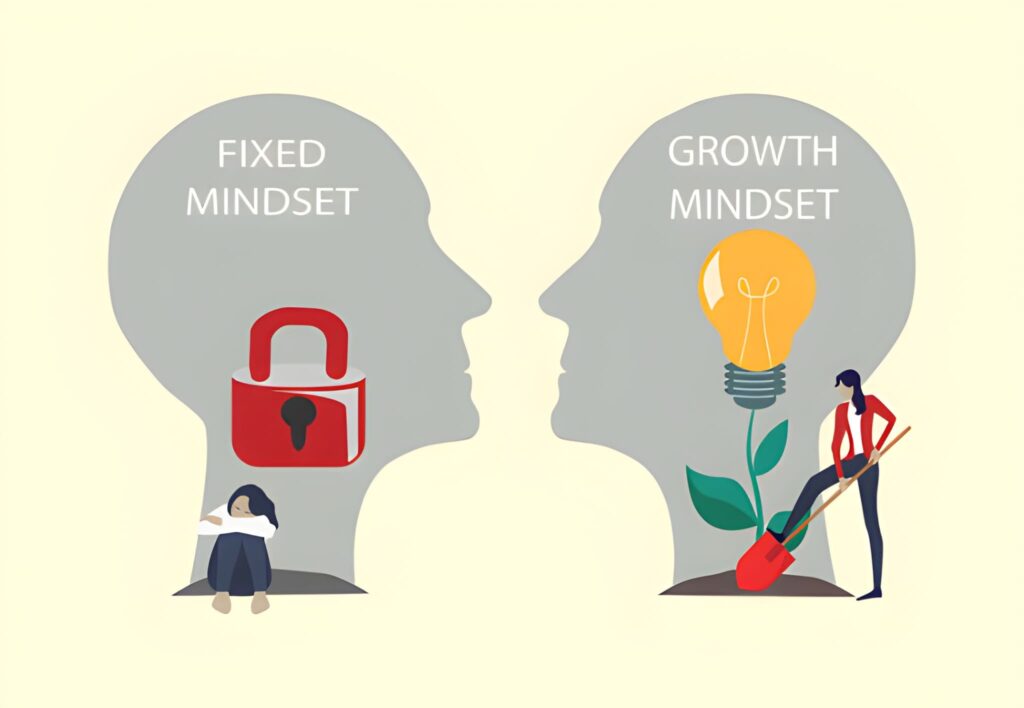
    The way people think about their abilities can have a powerful influence on how they learn, work, and respond to challenges. Some people believe that intelligence and talent are mostly fixed, while others see abilities as qualities that can improve through effort, practice, and experience. This second approach is often described as a growth mindset.

    Developing a growth mindset does not mean believing that everyone can achieve everything instantly. Instead, it means understanding that improvement is possible. Skills can be developed, mistakes can become lessons, and challenges can provide opportunities to grow. This way of thinking can help people become more resilient, curious, and willing to keep moving forward when things become difficult.

    Understanding the Growth Mindset

    A growth mindset begins with the belief that abilities are not permanently fixed.

    Someone may not be good at mathematics today, but that does not mean they can never improve. A person who struggles with public speaking can practice and become more confident over time.

    This perspective changes the way people interpret their current abilities.

    Instead of saying, “I cannot do this,” a person with a growth mindset may think, “I cannot do this yet.”

    That small change in language can create a significant change in attitude.

    Seeing Challenges as Opportunities

    Challenges are often uncomfortable, but they can also provide valuable learning experiences.

    People with a growth mindset are more likely to see difficult tasks as opportunities to develop new skills.

    This does not mean they enjoy every challenge. It means they understand that difficulty is often part of the learning process.

    When something feels hard, it may be a sign that the brain is working to understand something new.

    Approaching challenges with curiosity instead of fear can make it easier to keep trying.

    Learning From Mistakes

    Mistakes are a natural part of growth.

    Nobody succeeds at everything on the first attempt. Whether learning a new skill or completing an important project, errors can provide information about what needs to change.

    A growth mindset encourages people to examine mistakes rather than allowing them to define their identity.

    Instead of thinking, “I failed, so I am not capable,” someone can ask, “What can I learn from this experience?”

    This approach turns mistakes into useful feedback.

    The Value of Consistent Effort

    Effort is one of the most important parts of developing a growth mindset.

    Talent can provide an advantage, but consistent practice often determines how far a person can develop.

    Progress may not always be visible immediately. Sometimes, people work hard for weeks or months before noticing significant improvement.

    This is why patience matters.

    Small efforts repeated consistently can eventually produce meaningful results.

    Welcoming Constructive Feedback

    Feedback can sometimes feel uncomfortable, especially when it points out weaknesses.

    However, useful feedback can help people understand where they can improve.

    A growth mindset encourages individuals to listen to constructive criticism without treating it as a personal attack.

    The goal is not to accept every opinion without question. Instead, it is to consider whether the feedback contains something valuable.

    Learning to use feedback effectively can accelerate personal and professional development.

    Avoiding Comparisons

    Constantly comparing yourself with others can make growth difficult.

    Everyone has different experiences, opportunities, strengths, and starting points.

    A healthier approach is to compare your current abilities with your past performance.

    Ask questions such as, “What have I learned?” or “What can I do now that I could not do before?”

    Personal progress may seem small at first, but recognizing it can build motivation and confidence.

    Staying Curious

    Curiosity is closely connected to a growth mindset.

    Curious people are willing to ask questions, explore unfamiliar subjects, and admit when they do not know something.

    They do not see a lack of knowledge as a permanent weakness. Instead, they see it as an invitation to learn.

    Reading, experimenting, asking questions, and trying new activities can all strengthen curiosity.

    The more curious a person becomes, the more opportunities they may discover for growth.

    Developing Resilience

    Life does not always follow the plans people create.

    Unexpected setbacks, disappointments, and failures can happen to anyone.

    A growth mindset helps people respond to these experiences with resilience.

    Instead of giving up after one setback, they can consider what happened, adjust their approach, and try again.

    Resilience does not mean ignoring disappointment. It means allowing yourself to experience it while still believing that the future can improve.

    Applying a Growth Mindset Every Day

    Developing a growth mindset is not something that happens overnight.

    It is built through everyday choices.

    A person can practice it by replacing negative self-talk with more constructive language, setting realistic goals, learning from feedback, and celebrating progress.

    Even small changes can make a difference.

    For example, instead of avoiding a difficult subject, someone might spend fifteen minutes each day practicing it. Over time, that consistent effort can lead to greater understanding and confidence.

    Conclusion

    Developing a growth mindset can change the way people approach learning, challenges, mistakes, and personal development. It encourages the belief that improvement is possible through effort, patience, practice, and a willingness to learn.

    A growth mindset does not promise that every goal will be easy or that success is guaranteed. Instead, it teaches people to focus on progress and recognize that setbacks do not have to be permanent.

    The journey of growth is rarely a straight line. There will be moments of success, uncertainty, frustration, and discovery.

    What matters is the willingness to keep learning.

    By embracing challenges, learning from mistakes, accepting useful feedback, and recognizing personal progress, anyone can develop a more flexible and resilient approach to life.

    Ultimately, a growth mindset is about seeing potential where others might see limitations. It reminds us that our current abilities are not necessarily the final version of who we can become. With curiosity, consistent effort, and patience, there is always room to learn something new and take another step forward.

  • Essential Tips for Property Buyers

    Essential Tips for Property Buyers

    Buying a property is one of the biggest financial decisions most people will ever make. Whether you are purchasing your first home, investing in rental property, or upgrading to a larger space, the process requires careful planning, research, and smart decision-making. With the right approach, property buyers can avoid costly mistakes and secure a home or investment that fits their needs and long-term goals.

    Below are essential tips for property buyers to help make the journey smoother, safer, and more successful.

    1. Understand Your Budget Before You Start

    Before viewing properties on Ga6789 , it is important to know exactly how much you can afford. Many buyers focus only on the purchase price, but there are several additional costs involved in buying property. These may include legal fees, stamp duty or transfer taxes, mortgage arrangement fees, insurance, survey costs, moving expenses, and maintenance.

    Start by reviewing your income, savings, debts, and monthly expenses. If you plan to use a mortgage, speak with a lender or mortgage broker to get a clear idea of how much you may be able to borrow. Getting mortgage pre-approval can also strengthen your position when making an offer, as sellers often prefer buyers who already have financing in place.

    2. Research the Property Market

    One of the most important tips for property buyers is to understand the local real estate market. Property values can vary greatly depending on location, demand, infrastructure, and future development plans. Research recent sale prices in your preferred area and compare similar properties to understand fair market value.

    Look at market trends as well. Are property prices rising, stable, or falling? Is there strong rental demand? Are new schools, transport links, shopping centers, or business hubs being developed nearby? Good market research helps you make an informed decision and avoid overpaying.

    3. Choose the Right Location

    Location is often the most important factor when buying property. A beautiful home in the wrong location may not meet your lifestyle needs or deliver good investment returns. Consider your daily routine and long-term plans. Think about proximity to work, schools, public transport, healthcare facilities, shops, parks, and other amenities.

    Safety and neighborhood quality are also important. Visit the area at different times of the day and week to get a realistic feel for traffic, noise, parking, and community atmosphere. For investors, location can directly affect rental income, occupancy rates, and future capital growth.

    4. Know Your Must-Haves and Nice-to-Haves

    It is easy to get distracted by attractive interiors or modern finishes, but property buyers should focus on practical needs first. Create a list of must-have features, such as the number of bedrooms, parking space, garden size, accessibility, storage, or home office space.

    Then create a second list of nice-to-have features, such as a luxury kitchen, extra bathroom, balcony, or smart home technology. This will help you stay focused and make better decisions on Casino Ga6789 when comparing properties. Remember that cosmetic features can often be changed, but location, layout, and structural issues are much harder to fix.

    5. Inspect the Property Carefully

    Never rely only on listing photos or a short viewing. A property may look perfect at first glance but could have hidden problems. During inspections, look for signs of damp, cracks in walls, roof damage, poor plumbing, faulty wiring, mold, drainage issues, and pest problems.

    Check doors and windows, water pressure, heating and cooling systems, and the condition of floors and ceilings. If you are serious about buying, consider hiring a professional property inspector or surveyor. A detailed inspection report can reveal potential repair costs and may give you room to negotiate the price.

    6. Review Legal Documents Thoroughly

    Property buyers should never ignore the legal side of the transaction. Make sure the title deed is clear and that the seller has the legal right to sell the property. Check for outstanding debts, disputes, easements, restrictions, planning permissions, or boundary issues.

    Working with an experienced real estate lawyer or conveyancer is highly recommended. They can review contracts, explain your rights and obligations, and ensure the transfer process is completed correctly. This step is especially important when buying off-plan property, leasehold property, or investment property.

    7. Think Long-Term

    When buying property, think beyond your immediate needs. Your lifestyle, family size, job situation, or financial goals may change over time. A property that works for you today should ideally remain suitable for several years.

    Consider future resale value as well. Properties in desirable locations, close to amenities and transport, usually hold their value better. Flexible layouts, good natural light, parking, outdoor space, and energy efficiency can also improve long-term appeal. If you are buying as an investor, calculate potential rental yield, maintenance costs, vacancy periods, and expected capital growth.

    8. Don’t Let Emotions Control the Decision

    Buying a property can be emotional, especially if you find a home you love. However, emotional decisions can lead to overpaying or overlooking serious issues. Stay objective and compare each property against your budget, checklist, and market research.

    If a deal does not feel right or the seller is pressuring you to decide quickly, take a step back. There will always be other properties available. A smart buyer knows when to negotiate and when to walk away.

    9. Negotiate Smartly

    Negotiation is a key part of buying real estate. Use your market research, inspection results, and the property’s condition to support your offer. If similar properties have sold for less, or if repairs are needed, you may be able to negotiate a lower price.

    Negotiation is not only about price. You may also negotiate the closing date, included fixtures and fittings, repair work, or seller contributions toward costs. Stay polite, realistic, and prepared to compromise where necessary.

    10. Work With Trusted Professionals

    The right professionals can save you time, money, and stress. A qualified real estate agent can help you find suitable properties and guide you through negotiations. A mortgage broker can compare loan options, while a lawyer or conveyancer can protect your legal interests. A surveyor or property inspector can identify hidden defects.

    Choose professionals with good reputations, clear communication, and relevant local experience. Avoid relying solely on advice from people who have a financial interest in the sale.

    Final Thoughts

    Property buying can be exciting, but it requires careful preparation and a clear strategy. By understanding your budget, researching the market, choosing the right location, inspecting the property, and getting professional advice, you can make a confident and informed purchase.

    For property buyers, the best decisions are based on facts, not pressure or emotion. Take your time, ask questions, and think long-term. A well-chosen property can provide comfort, security, and strong financial value for years to come.

  • Energy-Efficient Industrial Machines for Businesses

    Energy-Efficient Industrial Machines for Businesses

    Energy-efficient industrial machines are becoming essential for businesses that want to reduce operating costs, improve productivity, and meet modern sustainability goals. From manufacturing plants and warehouses to food processing facilities and metal fabrication workshops, industrial equipment consumes a significant amount of energy every day. By investing in energy-efficient machinery, businesses can lower electricity bills, reduce carbon emissions, and build a more competitive operation.

    Why Energy Efficiency Matters in Industrial Operations

    Industrial machines often run for long hours, sometimes 24/7. Motors, compressors, pumps, conveyors, chillers, boilers, and production equipment all require substantial energy to operate. Even small improvements in efficiency can lead to major savings over time.

    Energy-efficient industrial machines are designed to use less power while maintaining or improving performance. This helps businesses reduce waste, optimize production processes, and protect profit margins. As energy prices continue to fluctuate, companies that control consumption are better positioned to manage long-term costs.

    In addition, X88 many customers and partners now prefer to work with environmentally responsible businesses. Using energy-saving industrial equipment can support corporate sustainability initiatives and improve brand reputation.

    Key Benefits of Energy-Efficient Industrial Machines

    Lower Operating Costs

    The most immediate benefit of energy-efficient machinery is reduced utility expenses. Equipment that uses advanced motors, smart controls, and optimized components can consume significantly less electricity than older machines. Over months and years, these savings can offset the initial investment.

    Improved Productivity

    Modern industrial machines are not only more efficient but also more precise and reliable. Many energy-efficient systems include automation, sensors, and performance monitoring features. These technologies help reduce downtime, improve output quality, and support smoother workflows.

    Reduced Maintenance Requirements

    Older equipment often works harder to deliver the same results, which can lead to wear and tear. Energy-efficient machines are typically engineered with improved components that reduce strain on motors and moving parts. This can lead to fewer breakdowns, lower maintenance costs, and longer equipment life.

    Environmental Compliance

    Many industries must comply with energy regulations and environmental standards. Upgrading to energy-efficient industrial equipment can help businesses meet these requirements. It may also make companies eligible for tax credits, rebates, or government incentives in certain regions.

    Types of Energy-Efficient Industrial Machines

    Energy-Efficient Electric Motors

    Electric motors are used in countless industrial applications, including fans, pumps, compressors, and conveyors. High-efficiency motors reduce energy losses and deliver better performance. Businesses can also pair motors with variable frequency drives, or VFDs, to control speed and reduce unnecessary power consumption.

    Variable Frequency Drives

    A variable frequency drive adjusts the speed of a motor based on real-time demand. Instead of running at full power constantly, the motor uses only the energy required for the task. VFDs are especially useful for HVAC systems, water pumps, air compressors, and production lines.

    Efficient Air Compressors

    Compressed air systems are among the largest energy users in industrial facilities. Energy-efficient air compressors reduce wasted air and improve pressure control. Features such as variable speed operation, heat recovery, and leak detection can make a major difference in overall energy use.

    Smart Industrial HVAC Systems

    Factories, warehouses, and processing plants often require heating, cooling, and ventilation. Energy-efficient industrial HVAC systems use smart thermostats, zoning controls, and high-performance components to maintain comfortable conditions while minimizing power consumption.

    Automated Production Equipment

    Automation can improve both efficiency and consistency. Modern CNC machines, robotic systems, packaging equipment, and assembly machines are often designed to optimize energy use. These systems can reduce material waste, improve cycle times, and lower labor-intensive energy demands.

    How to Choose the Right Energy-Efficient Equipment

    Before investing in new machinery, businesses should assess their current energy usage. An energy audit can identify which machines consume the most power and where upgrades will have the greatest impact.

    When comparing industrial machines, look for energy performance ratings, operating costs, maintenance requirements, and compatibility with existing systems. It is also important to consider total cost of ownership rather than only the purchase price. A cheaper machine may cost more over time if it uses more energy or requires frequent repairs.

    Businesses should also work with trusted equipment suppliers who understand industry-specific needs. A reliable supplier can recommend machinery that fits production goals, facility requirements, and budget limitations.

    Tips for Maximizing Energy Savings

    Buying energy-efficient industrial machines is only the first step. To achieve the best results, businesses should also train employees on proper equipment use. Machines should be operated according to manufacturer guidelines and shut down when not needed.

    Regular maintenance is also critical. Clean filters, lubricated parts, calibrated controls, and repaired leaks all contribute to better energy performance. Monitoring systems can track energy consumption and alert managers to unusual spikes or inefficiencies.

    Another effective strategy is integrating machines with smart energy management software. This allows businesses to collect data, analyze performance, and make informed decisions about production schedules and energy demand.

    The Return on Investment for Businesses

    While energy-efficient industrial machines may require a higher upfront investment, the long-term savings can be substantial. Lower electricity bills, reduced downtime, fewer repairs, and improved productivity all contribute to a strong return on investment.

    For many businesses, the payback period can be shortened through energy rebates or financing programs. In addition, efficient equipment can increase facility value and support future growth. As sustainability becomes more important in global markets, energy-efficient operations can also provide a competitive advantage.

    Conclusion

    Energy-efficient Thể thao X88 industrial machines for businesses are more than an environmental choice; they are a smart financial strategy. By reducing energy consumption, improving reliability, and supporting sustainable operations, modern industrial equipment can help companies stay profitable and competitive.

    Whether upgrading motors, installing variable frequency drives, replacing air compressors, or investing in automated production systems, businesses can benefit from a well-planned approach to energy efficiency. With the right machines and proper maintenance, industrial facilities can lower costs, boost performance, and prepare for a more sustainable future.

  • Hello world!

    Welcome to WordPress. This is your first post. Edit or delete it, then start writing!